
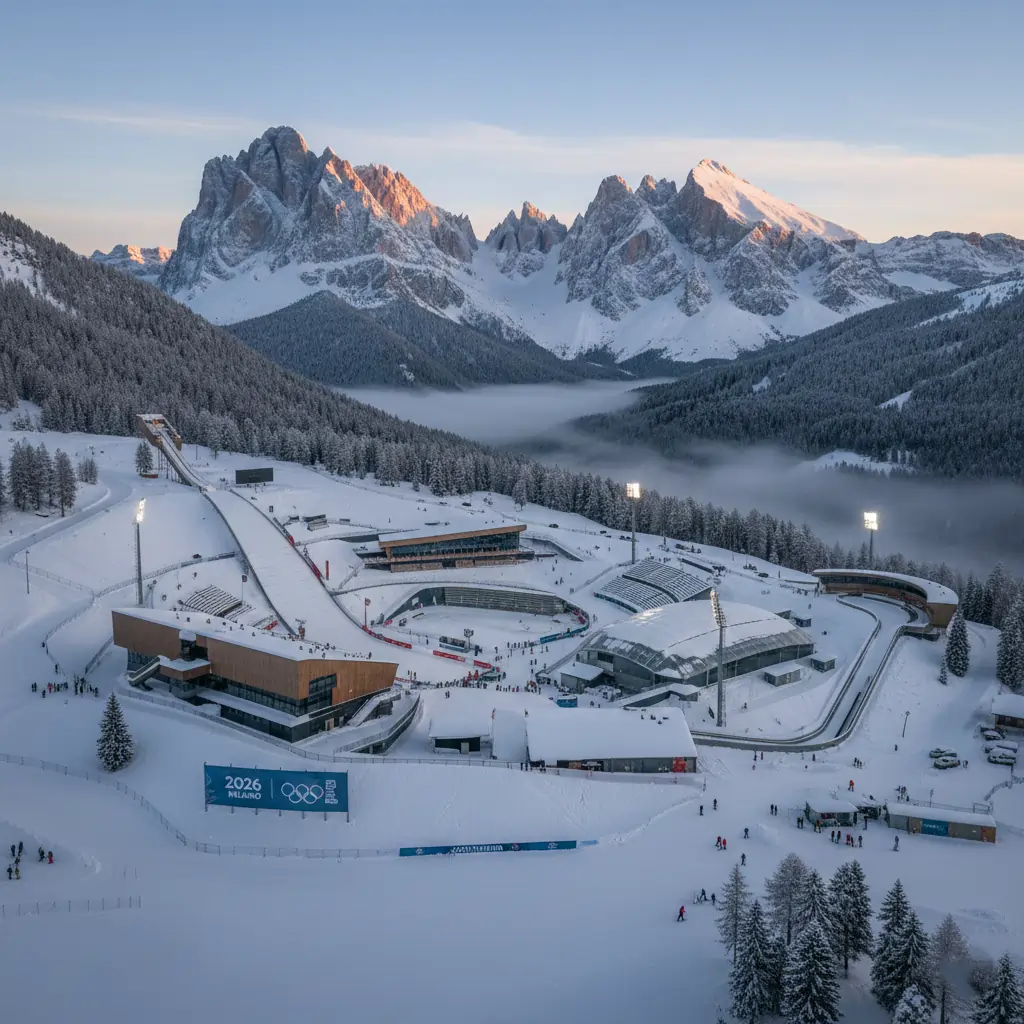
The 2026 Winter Olympics are shaping up to be one of the most scenic and travel-friendly Olympic Games in recent history. With events spread across iconic Italian cities and alpine landscapes, this edition is less about a single Olympic park and more about a journey through culture, mountains, and historic towns.
If you’re considering attending, planning early matters — not just for tickets, but for transport, accommodation, and realistic expectations about distances and schedules. This guide breaks everything down from a traveller’s point of view, not just a sports fan’s checklist.
Where Are the 2026 Winter Olympics Held?
One of the most common questions travellers ask is 2026 winter olympics held in which country — and the answer is Italy.
Unlike compact Olympic setups of the past, this edition is uniquely distributed across northern Italy under the banner of the Milano Cortina 2026 Winter Olympics. Events will be hosted across multiple locations:
| City / Region | Events Hosted |
| Milan | Opening ceremony, ice hockey |
| Cortina d’Ampezzo | Alpine skiing, curling |
| Livigno | Freestyle skiing, snowboarding |
| Bormio | Alpine skiing |
| Predazzo | Ski jumping, Nordic combined |
Expert tip: This multi-city format gives travellers a rare chance to combine Olympic events with classic Italian sightseeing — but it also means smart route planning is essential.
2026 Winter Olympics Dates & Timeline
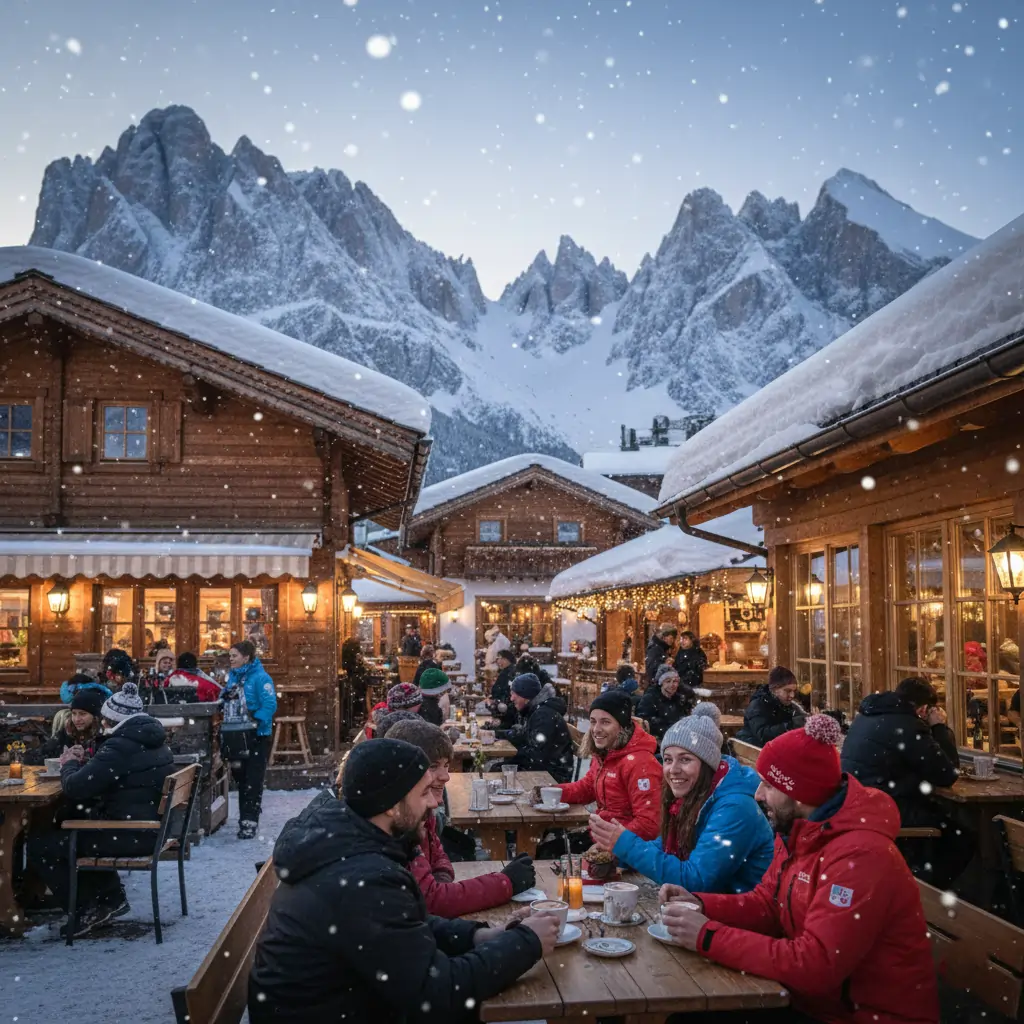
The Winter Olympics dates are officially set for February 6 to February 22, 2026.
That timing places the Games right in peak European winter, which is ideal for snow conditions but also peak season for hotels and transport.
Key Milestones to Note
- Early February: Opening ceremony in Milan
- Mid-Games: High-demand alpine and snowboarding finals
- Late February: Closing events and ceremonies
If you’re attending multiple events, avoid booking accommodation for only one city unless you plan to stay local throughout. Many travellers underestimate transfer times between venues.
Understanding the Winter Olympics Schedule & Results
The winter olympics schedule and results system will follow a staggered model, with major events happening simultaneously across regions.
From experience covering multi-location sporting events, here’s what matters most to spectators:
- Finals are often scheduled earlier in the day due to weather stability. Do checkout at official website.
- Medal events sell out faster than qualifying rounds
- Outdoor events may shift slightly based on conditions
Practical advice:
Plan your trip around 2–3 priority events, not everything. Trying to cover too much leads to missed events and travel fatigue.
Why These Winter Olympics Are Different
This edition of the winter olympics stands out for three reasons:
- Geographic diversity – Mountains, lakes, and fashion capitals in one trip
- Cultural depth – Italian food, wine, and heritage alongside sport
- Legacy venues – Many locations are already world-class ski resorts
From a travel perspective, this makes the Winter Olympics feel less like a single event and more like a curated winter journey across Italy.
Travel Planning Tips from Experience
Accommodation Strategy
- Book early in smaller alpine towns (Cortina, Bormio)
- Consider Milan or Verona as base cities for flexibility
- Avoid same-day travel between distant venues
Transport Reality
Italy’s rail system is excellent for cities, but alpine venues require buses or cars. Build buffer time into every transfer day.
Budget Planning
Expect higher prices during event weeks. Splitting your stay between a host city and a nearby town can significantly reduce costs.
What About India and the 2026 Winter Olympics?
Interest around winter olympics india is steadily growing, especially among winter sports fans and travellers following Indian athletes in skiing and ice disciplines.
While India may not have a large medal presence, Indian spectators are expected to attend in increasing numbers — particularly those combining the Olympics with European winter travel.
Visa and travel note:
Schengen visas, early appointment booking, and proof of accommodation will be critical due to high demand.
Sample 7-Day Olympic Travel Itinerary
| Day | Plan |
| Day 1 | Arrive Milan, explore city |
| Day 2 | Opening ceremony / ice hockey |
| Day 3 | Travel to Cortina d’Ampezzo |
| Day 4 | Alpine skiing events |
| Day 5 | Day trip to Dolomites |
| Day 6 | Return toward Milan |
| Day 7 | Closing events or sightseeing |
This approach balances sport, rest, and exploration — something many first-time Olympic travellers overlook.
Connectivity & On-Ground Navigation Tip
With events spread across regions, staying connected is not optional. Navigation apps, ticket wallets, live updates, and transport alerts all require reliable data.
For international travellers, using an eSIM is often more practical than physical SIM cards — especially when moving between cities and alpine areas. It eliminates store visits, language barriers, and roaming surprises.
A stable connection makes a noticeable difference during events with schedule changes or weather delays.
Final Thoughts
The Winter Olympics, 2026 are not just about medals — they’re about experiencing winter in one of Europe’s most beautiful regions. travellers who plan with realism, flexibility, and local awareness will enjoy the Games far more than those who rush between venues.Moving between Milan, Cortina, and alpine venues requires constant connectivity — check our best Europe travel deals and eSIM options to stay online without roaming surprises.
FAQs
Q. Can I attend events in multiple cities?
Yes, but only if you plan accommodation and travel days carefully. Same-day long-distance venue hopping is not recommended.
Q. When should I book tickets?
As early as possible. High-demand events sell out months in advance.
Q. Is February a good time to travel in Italy?
Yes, for winter sports regions. Cities are quieter, but alpine towns are busy.
Q. Are non-sport activities worth planning?
Absolutely. Food, culture, and scenic rail journeys are part of the experience.
Q. Is this Olympics suitable for first-time international travellers?
Yes, Italy is traveller-friendly — but advance planning is essential due to crowds





Leave a Reply