
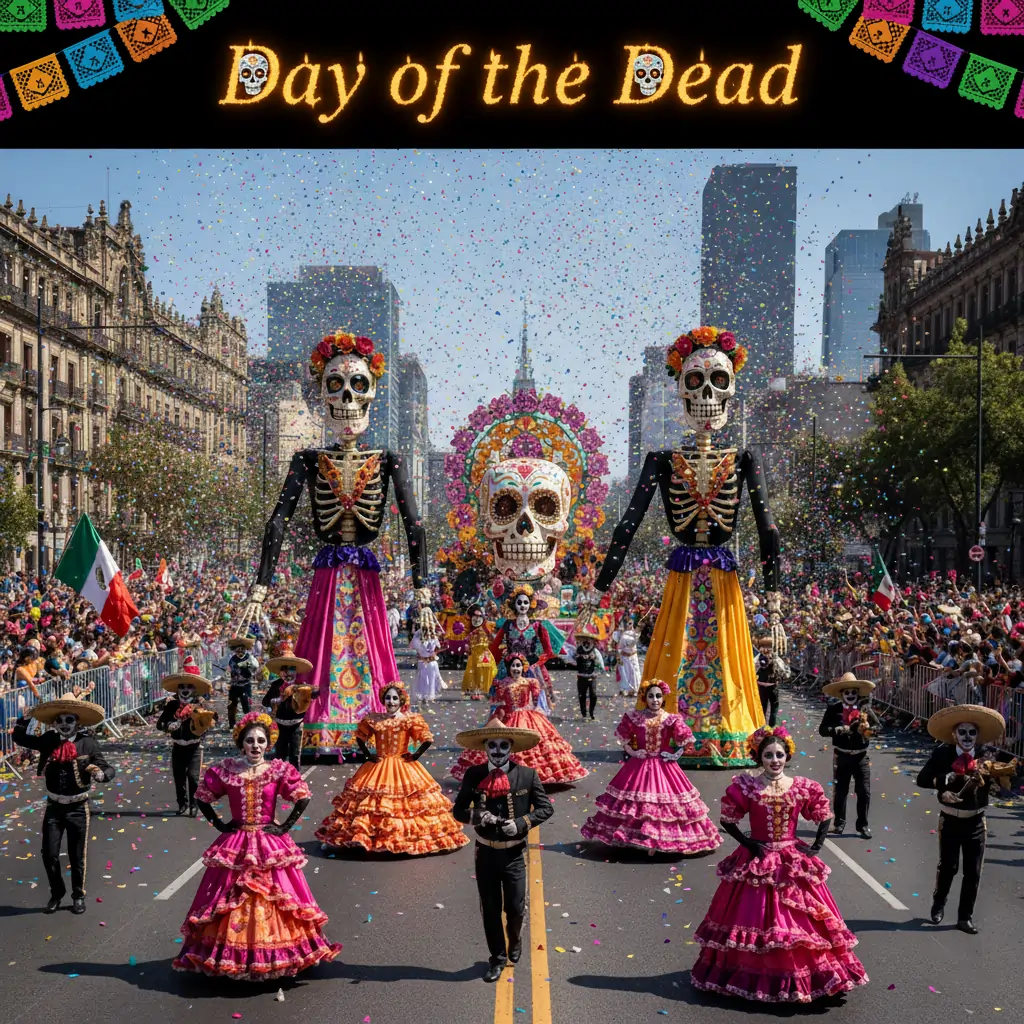
Witness a Festival Where Life and Death Dance Together
Few festivals in the world are as visually stunning or emotionally powerful as the Day of the Dead in Mexico. Every November, towns and cities transform into vibrant canvases filled with marigolds, candles, music, and memory. But this isn’t a mourning event — it’s a celebration of life.
As the 2025 season approaches, travelers from around the globe are planning trips to experience this one-of-a-kind cultural phenomenon. Whether you’re heading to Oaxaca for traditional rituals or to Mexico City for the massive Day of the Dead parade 2025, this travel guide will help you experience the festival like a local.
The Meaning Behind Day of the Dead
The Day of the Dead (Día de los Muertos) is celebrated annually on November 1 and 2, coinciding with All Saints’ and All Souls’ Days. It’s a time when families honor loved ones who have passed away by inviting their spirits back home through offerings, known as ofrendas.
Altars adorned with photos, favorite foods, candles, and pan de muerto (sweet bread of the dead) fill homes and cemeteries. The belief is that death isn’t the end but simply part of a larger journey — a message that resonates deeply with visitors who experience it firsthand.
Where to Experience the Best Day of the Dead Celebrations
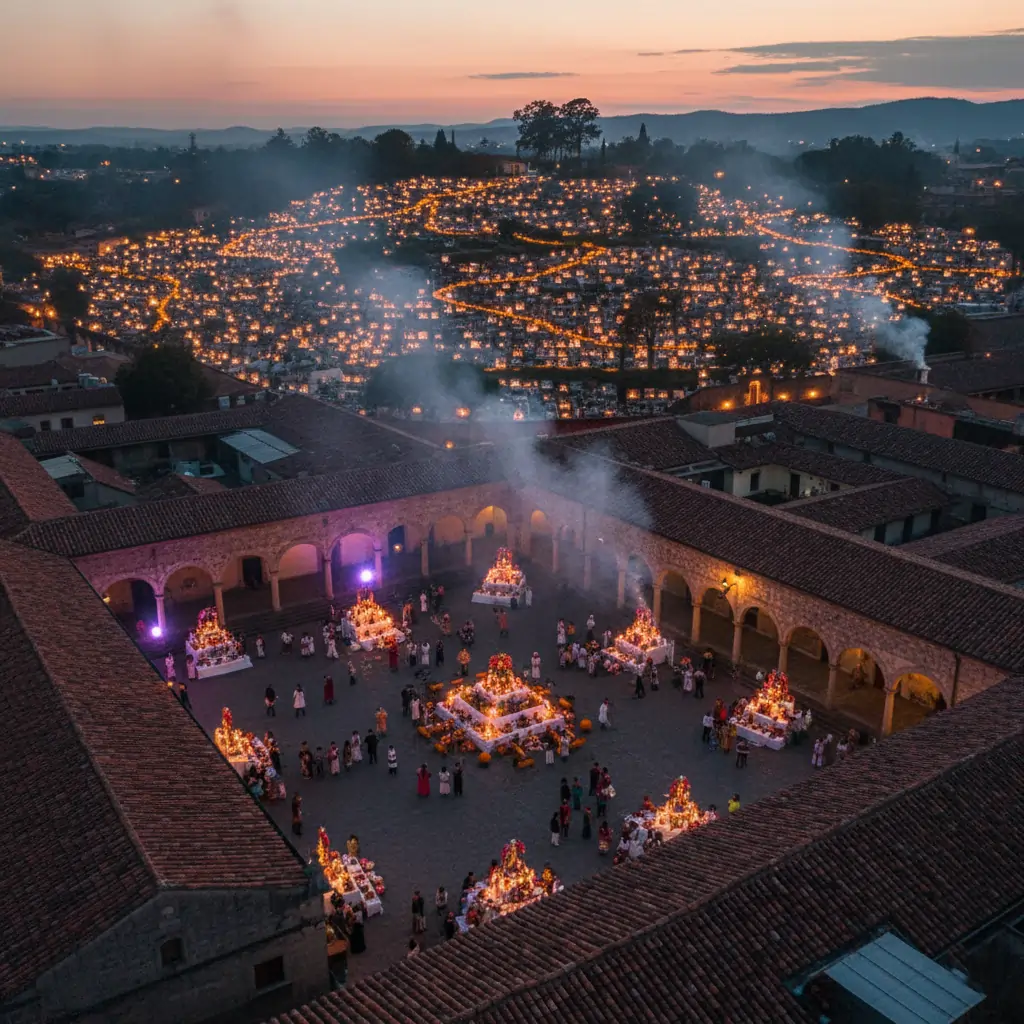
Oaxaca – The Heart of Tradition
For many travelers, Oaxaca Day of the Dead celebrations offer the most authentic experience. The colonial city’s cobbled streets are decorated with intricate sand tapestries, and the air fills with the scent of copal incense. Locals gather in cemeteries at night to sing, dance, and share food with the departed.
Don’t miss the comparsa — lively street parades where residents dress as skeletons, carrying candles and musical instruments through the narrow alleys. It’s hauntingly beautiful and profoundly joyful at the same time.
Mexico City – Parade and Performance
If you prefer a grand spectacle, head to Mexico City’s Day of the Dead parade 2025, a relatively new tradition that’s now one of the most anticipated events in Latin America. Massive floats, costumed performers, and giant skeleton puppets march through Paseo de la Reforma, accompanied by mariachi music and fireworks.
In the evenings, the Zócalo (main square) hosts art installations and ofrenda exhibitions, blending ancient customs with modern creativity.
Other Notable Destinations
- Pátzcuaro, Michoacán: Known for its candle-lit lake cemetery on Janitzio Island.
- San Andrés Mixquic (near Mexico City): Famous for its atmospheric night vigils.
- Guadalajara: Combines traditional altars with live music and food fairs.
Each region celebrates in its own way, but the shared spirit of remembrance unites them all.
How to Plan Your Trip: A Dia de los Muertos Travel Guide
- When to Go: Arrive by October 30 or 31 to witness preparations and local markets before the main festivities.
- What to Wear: Comfortable clothes, bright colors, and perhaps a touch of calavera (skull) makeup to join the celebrations.
- Where to Stay: Book hotels early, especially in Oaxaca and Mexico City, as demand surges weeks before November.
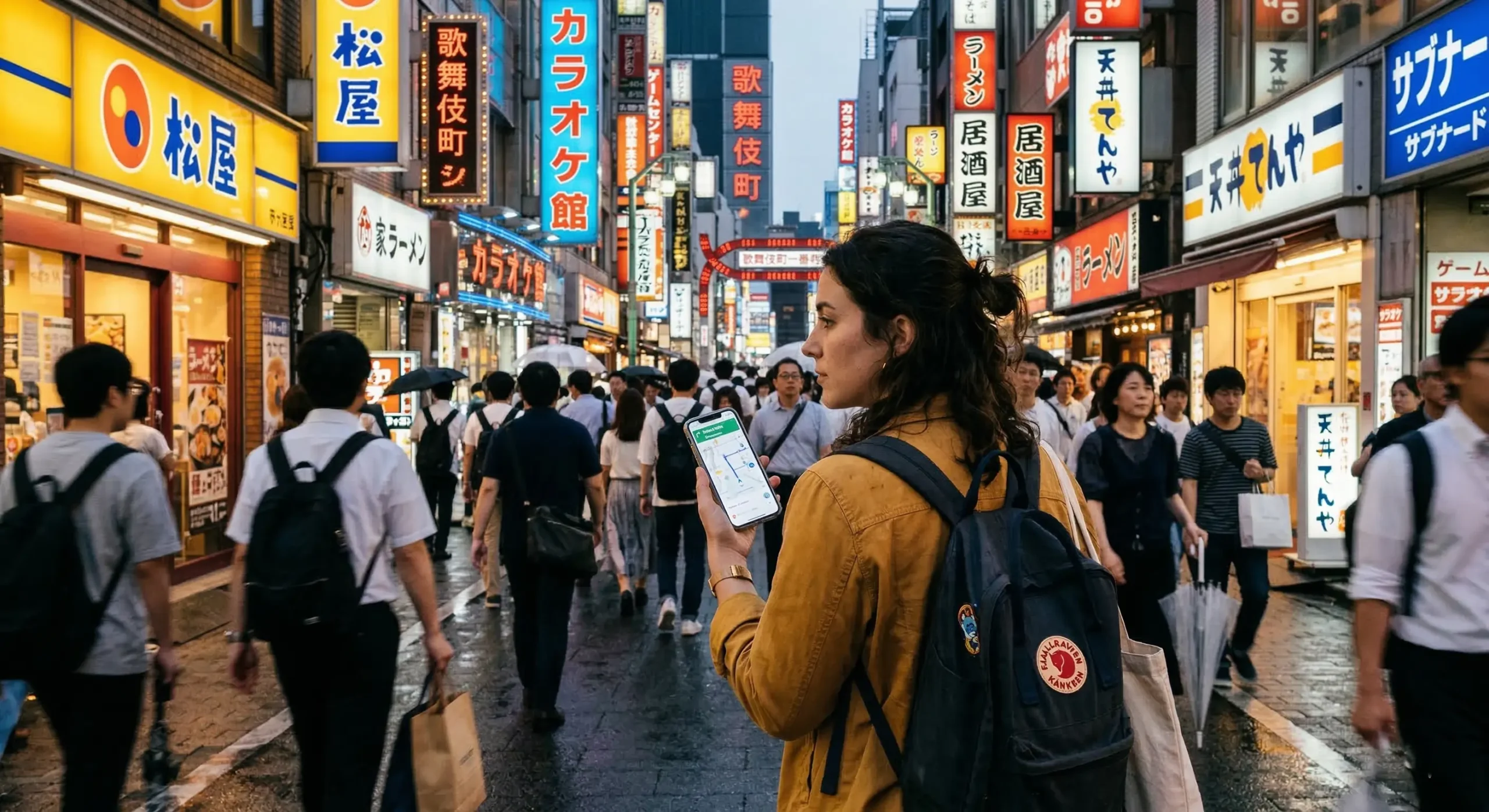
- Getting Around: Domestic flights and intercity buses are reliable. For convenience, use local eSIMs to stay connected for maps and translation tools.
If you plan to explore multiple regions, regional Latin America or Mexico eSIMs offer affordable data plans — perfect for travelers navigating between cities or uploading festival photos on the go. Find the best options on our eSIM providers.
What to Expect: Sights, Sounds, and Spirit
Day of the Dead is not a single event — it’s a series of rituals, performances, and gatherings that span several days. Here’s what you can expect:
- Altars Everywhere: Homes, shops, and schools proudly display their ofrendas. Each altar tells a story of love, memory, and gratitude.
- Marigolds in Bloom: The cempasúchil flower, or Mexican marigold, symbolizes the fragility of life and is used to guide spirits home.
- Music and Processions: From brass bands to candlelit marches, music fills the streets deep into the night.
- Art and Photography: Cemeteries and town plazas become open-air galleries of color and creativity.
The festival offers endless opportunities for photographers and travelers looking to connect deeply with Mexican culture.
Food & Flavors: Taste the Tradition
No celebration is complete without food, and Day of the Dead is a feast for the senses. Try these traditional offerings during your trip:
- Pan de Muerto: A sweet, round bread dusted with sugar, often placed on altars and shared among family.
- Tamales & Mole: Slow-cooked dishes that vary from region to region.
- Atole: A warm corn-based drink flavored with cinnamon and vanilla.
Street vendors and local markets in Oaxaca and Mexico City offer endless options — from festive sweets to savory regional dishes.
eSIM Travel Tip: Stay Connected During the Festival
Connectivity is crucial during large events like this, especially when traveling through multiple regions in Mexico. Instead of buying local SIM cards, opt for a Mexico or regional eSIM — it saves time, avoids queues, and ensures you stay online even in crowded festival zones.
You can easily compare eSIM plans for Mexico and Latin America on our TraveleSIM Deals and pick one suited to your trip length and data needs.
Final Thoughts
The Day of the Dead is not just a festival — it’s a reflection of Mexico’s soul. Experiencing it firsthand changes how you see life, death, and memory. Whether you join the candlelit vigils in Oaxaca or the grand parades in Mexico City, you’ll witness one of the world’s most profound and joyous cultural expressions.
A Journey Beyond Life and Death
With its mix of art, emotion, and community, the Day of the Dead reminds us that remembering loved ones can be a celebration, not a sorrow. Plan your visit now — from Oaxaca’s candlelit cemeteries to Mexico City’s vibrant parades — and don’t forget your eSIM for smooth, connected travel across Mexico.
Make this November the moment you experience Mexico’s most colorful celebration of life before it fades back into memory — until next year.
FAQs
1. When is the Day of the Dead celebrated in Mexico?
It takes place every year on November 1 and 2, though preparations begin days earlier.
2. What’s the difference between Halloween and Day of the Dead?
Halloween focuses on fear and costume fun, while Day of the Dead is about honoring and celebrating departed loved ones.
3. Can tourists participate in Day of the Dead celebrations?
Yes, visitors are welcome — just be respectful during ceremonies and in cemeteries.
4. Is Oaxaca or Mexico City better for Day of the Dead?
Oaxaca offers traditional intimacy, while Mexico City provides scale and spectacle. Both are unforgettable.
5. Do I need tickets for the Mexico City parade 2025?
The parade is free to attend, but arriving early ensures better viewing spots.







Leave a Reply