

When you travel internationally, your phone’s connectivity is your lifeline — from navigating unfamiliar streets to accessing hotel bookings and keeping in touch with loved ones. Traditionally, a physical SIM card was your go-to for mobile data abroad, but with eSIM technology rising in popularity, many travelers now ask: Is eSIM technology more secure than a physical SIM card?
Let’s break it down.
Understanding the Basics
- Physical SIM: A small removable card that stores your mobile network credentials. It can be swapped between devices but can also be lost or stolen.
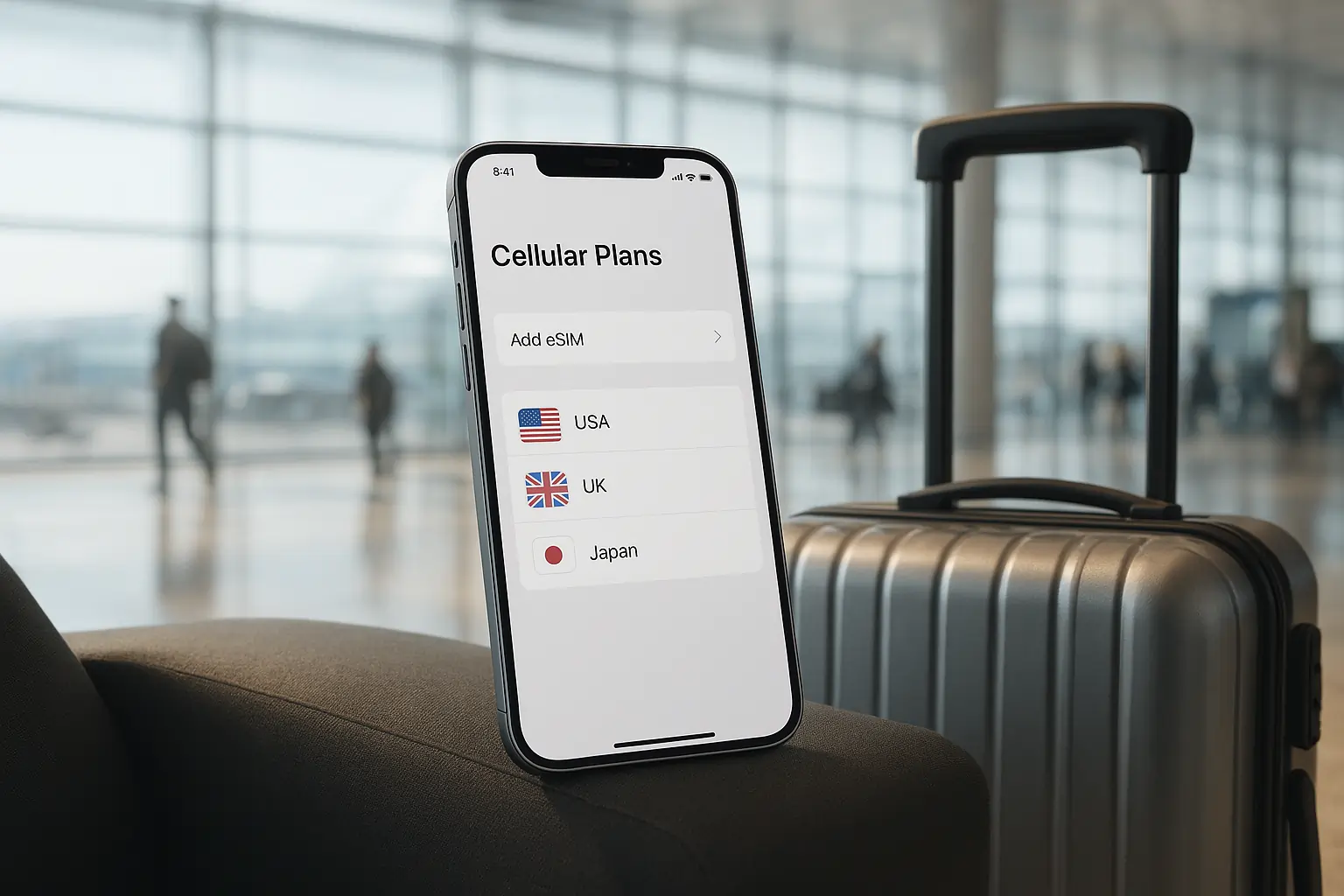
- eSIM (Embedded SIM): A built-in, non-removable chip inside your device that can store multiple mobile profiles digitally. You activate it by scanning a QR code or entering an activation code from your carrier.
The big difference? With an eSIM, your connection is software-based instead of being tied to a physical card.
Security Risks with Physical SIM Cards
Physical SIMs have been around for decades, but they’re not without weaknesses:
- Theft and Loss – If someone steals your phone and removes your SIM card, they can use it in another device to access your number and possibly intercept messages (including two-factor authentication codes).
- SIM Swapping – Cybercriminals can trick your carrier into transferring your phone number to a SIM they control, allowing them to access your accounts.
- Physical Tampering – In some cases, SIM cards can be cloned or replaced if someone has physical access to your device.
For frequent travelers, especially in crowded tourist areas, the physical nature of a SIM card is a security disadvantage.
Why eSIM Technology Offers Better Security
While no technology is 100% hack-proof, eSIMs provide stronger security layers for several reasons:
1. No Physical Removal
Since eSIMs are soldered into your phone, thieves can’t simply pop them out. This makes physical theft attacks — like stealing your SIM to bypass two-factor authentication — far harder.
2. Remote Management
If your phone is lost or stolen, you can remotely deactivate your eSIM profile through your carrier or device settings. This is much faster than waiting for a replacement SIM to be shipped.
3. Encrypted Data Storage
eSIM profiles are stored in a secure element within your device. This hardware-based security is similar to what’s used for storing mobile payment credentials (like Apple Pay or Google Pay).
4. Multi-Profile Capability
You can keep multiple eSIM profiles stored but inactive. This allows you to quickly switch carriers if you suspect a breach without physically handling a SIM card.
Comparing Vulnerabilities
Here’s a quick comparison:
| Risk Factor | Physical SIM | eSIM |
| Theft | Easily removed from device | Cannot be physically removed |
| SIM Swap Fraud | Possible via carrier trickery | Still possible, but less likely with stronger verification |
| Remote Deactivation | Requires contacting carrier | Often available instantly via app or settings |
| Data Encryption | Limited | Encrypted in secure chip |
What About eSIM Hacking?
While eSIMs are harder to attack physically, cyberattacks like SIM swap scams can still happen. Criminals might impersonate you to convince your carrier to transfer your number to a new eSIM profile under their control.
The good news? Many carriers now require multi-step verification before transferring eSIM profiles, reducing the risk.
Best Practices for eSIM Security
Whether you use an eSIM or a physical SIM, you should:
- Use Strong Device Locks – PIN, fingerprint, or facial recognition.
- Enable Two-Factor Authentication (2FA) – But ideally through an authenticator app, not SMS.
- Monitor Your Accounts – Watch for suspicious activity, especially messages or calls you didn’t initiate.
- Set Up Remote Wipe – Use Find My iPhone or Google Find My Device to erase your phone if stolen.
Why Travelers Should Consider eSIM
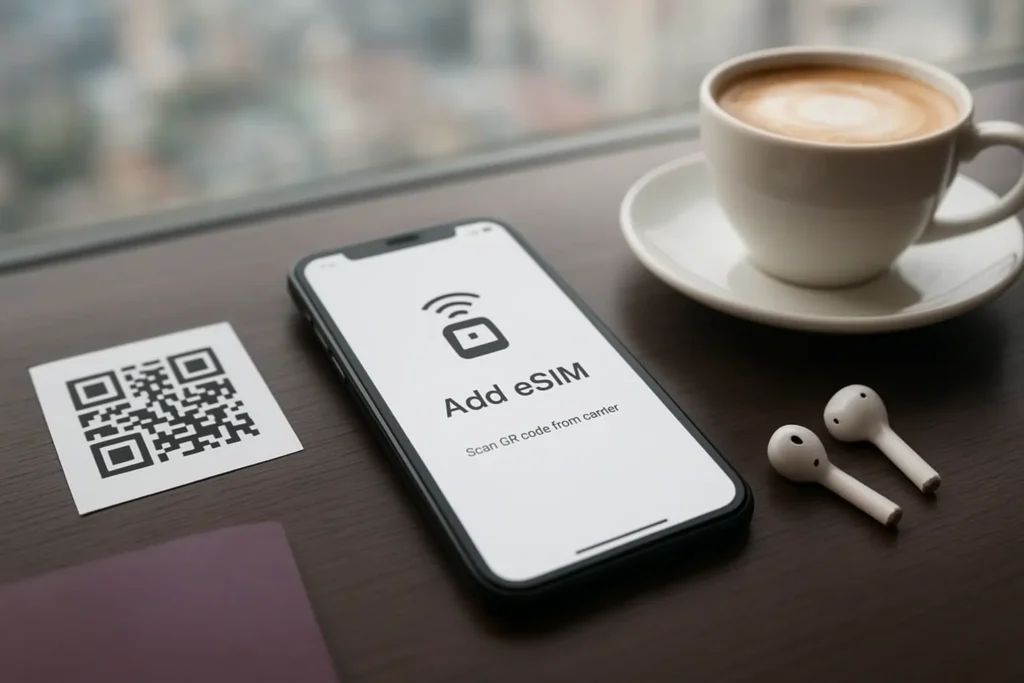
For tourists and digital nomads, eSIMs provide:
- Faster Activation – No need to find a local SIM shop.
- Better Theft Protection – Your mobile profile stays locked to your device.
- Easy Carrier Switching – Great for hopping between countries.
If your device supports it, eSIM is often the safer choice when traveling internationally. Planning a trip? Explore our exclusive eSIM coupons and deals from top providers to save on your travel data plans.
Conclusion
When comparing eSIM security vs physical SIM security, eSIM technology generally comes out ahead — particularly for travelers. While physical SIMs remain functional and widely used, their vulnerability to theft and tampering is a clear downside.
eSIMs reduce the physical risk factor, provide encrypted storage, and allow remote management — making them an appealing option for anyone concerned about mobile security abroad.
FAQs:
1. Is eSIM more secure than a physical SIM for travelers?
Yes. eSIMs are harder to steal because they’re embedded in your device, meaning thieves can’t simply remove them like a physical SIM. Plus, activation requires authentication from your mobile carrier.
2. Can hackers remotely clone an eSIM?
It’s highly unlikely. eSIM profiles are protected with encryption and require verification through carrier systems. Physical SIM cloning is more common since it only requires access to the card.
3. What happens if my phone with eSIM is stolen?
You can contact your carrier to instantly deactivate the eSIM remotely. This prevents misuse of your number, mobile data, and personal accounts, which is harder to do with a stolen physical SIM.
4. Is public Wi-Fi safer to use with an eSIM?
While eSIMs secure your cellular connection, they don’t protect you from public Wi-Fi risks. Use a VPN and secure networks when traveling, regardless of SIM type.
5. Can my eSIM be hacked if someone scans my QR code?
Yes, if you share your eSIM activation QR code with an untrusted person, they could install it on another device. Always treat QR codes as private credentials and never share them publicly.





Leave a Reply