
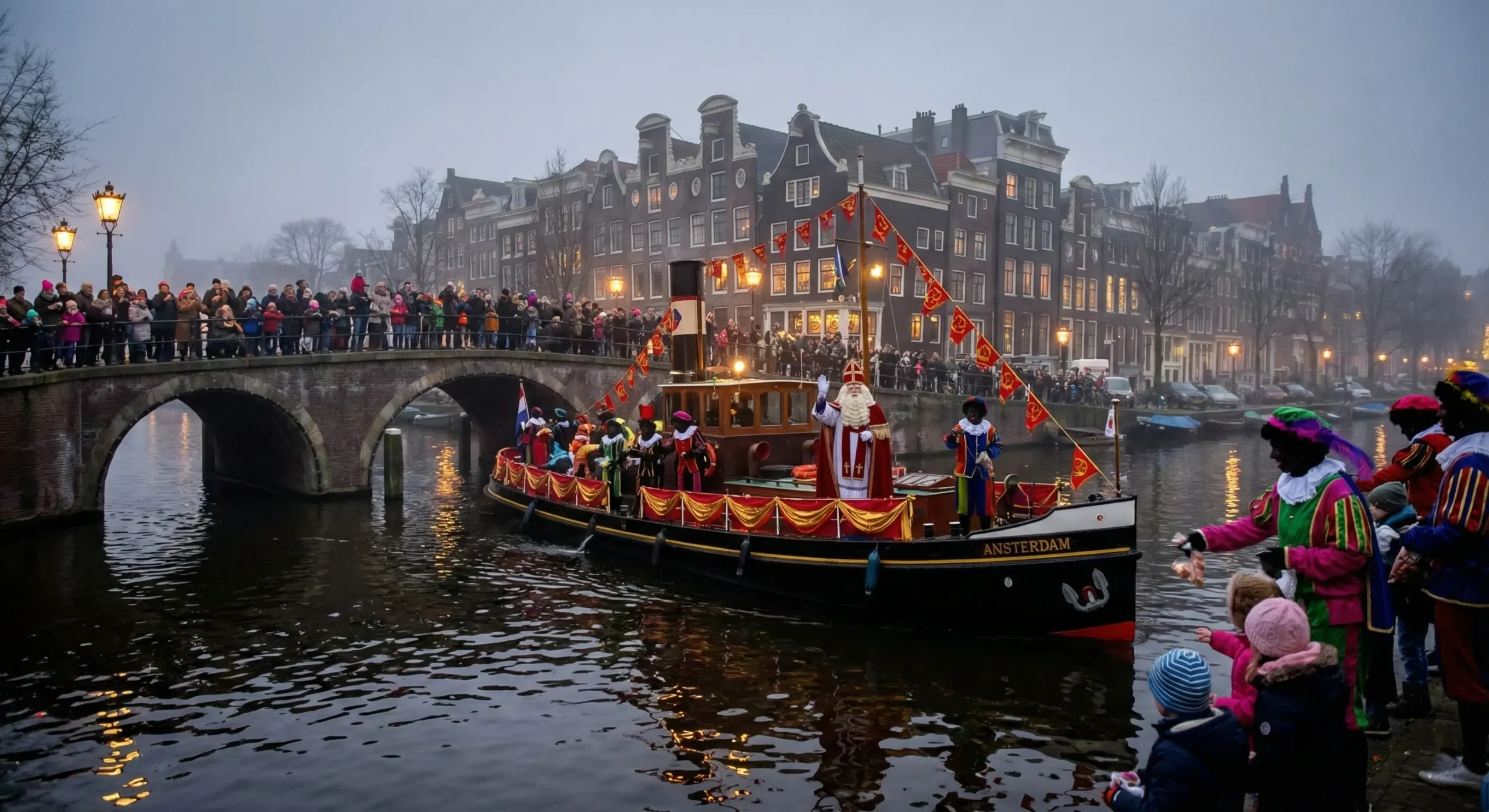
St. Nicholas Day is one of Europe’s most culturally rich and heartwarming winter celebrations, yet many international travelers still overlook it while planning December trips. If you’re traveling in early winter, the week around December 6 is one of the best times to experience authentic European Christmas traditions before the holiday rush. Many countries transform their old towns, marketplaces, and public squares into festive experiences filled with folklore, parades, gifts, and regional customs.
This guide takes you through how St. Nicholas Day is celebrated across Europe, where to find the best parades, what makes each country’s traditions unique, and how travelers can navigate the continent easily with modern tools and seamless mobile connectivity.
What St. Nicholas Day Means in Europe
St. Nicholas Day traditions vary widely across the continent, but the spirit remains the same: honoring St. Nicholas, the historical bishop of Myra known for kindness, generosity, and protecting children. Celebrated on December 6, Europe’s celebrations blend folklore with festivities. From morning gift-giving to elaborate public events, each region adds its own flavor.
Families prepare boots or shoes the night before, expecting small gifts, chocolate figures, nuts, or handwritten notes. Children across Central and Western Europe eagerly wait to hear the knock on the door, signaling St. Nicholas’ visit. For travelers, this is a chance to see Europe’s cultural heritage in a way that feels intimate and community-driven.
How December 6 Europe Celebrations Change by Country
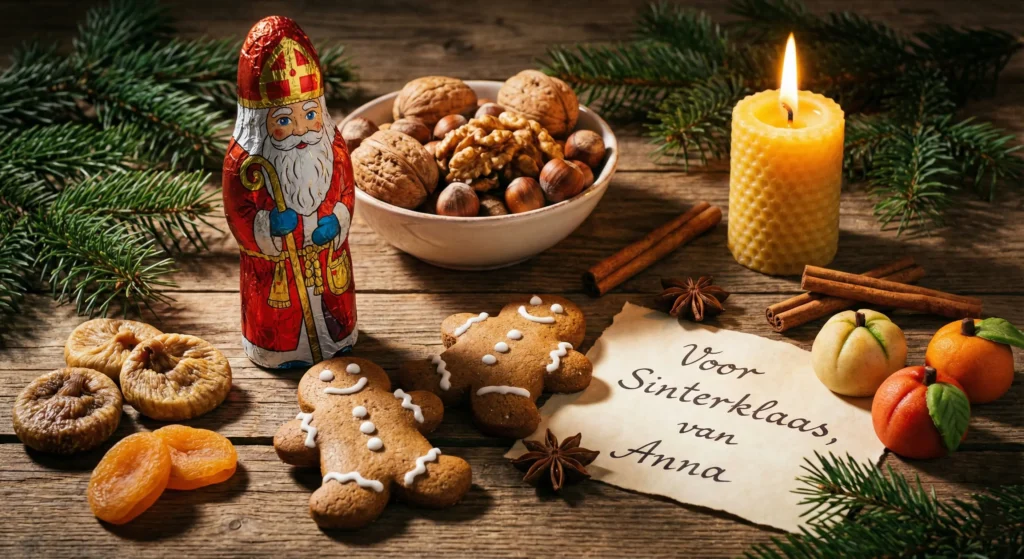
The beauty of December 6 Europe celebrations is how varied and localized they feel. Every country adapts the holiday based on its history, legends, and winter culture.
In Austria and parts of Central Europe, St. Nicholas often appears alongside Krampus, a horned creature who contrasts kindness with mischief. In Switzerland, the tradition includes Samichlaus visiting forests and mountain towns. These events often take place in candle-lit town squares, creating a warm, nostalgic atmosphere that travelers love.
Markets operate in full winter mode, offering mulled wine, roasted chestnuts, and gingerbread shaped specifically for this holiday. These are ideal places for travelers to experience local culinary traditions while watching performances or choir groups.
St. Nicholas Day in Germany: Nikolaustag Traditions
Nikolaustag Germany celebrations are deeply rooted and widely practiced. Families polish children’s boots on December 5 and place them by the door in hopes that St. Nicholas will fill them overnight. Cities like Munich, Cologne, and Frankfurt host small parades, meet-and-greet sessions with St. Nicholas figures, and special storytelling events in Christmas markets.
Nikolaustag Germany traditions also include school visits, community gatherings, and church ceremonies. Travelers often enjoy the cozy atmosphere of winter markets where St. Nicholas hands out treats. If you’re planning to visit Germany around early December, expect lively town squares, folk performances, and warm regional pastries, especially in southern regions like Bavaria.
Sinterklaas in the Netherlands: A Must-See European Tradition
Sinterklaas Netherlands festivities are among Europe’s most iconic celebrations, drawing visitors from around the world. Unlike many regions that celebrate primarily on December 6, the Netherlands begins its season weeks earlier when Sinterklaas “arrives” by boat in mid-November. Through the following weeks, evening songs, parades, and gift traditions unfold.
On December 5, known as Pakjesavond, families exchange gifts, poems, and humorous messages. Travelers visiting Dutch cities will find theatrical parades, decorated canals, and bakeries filled with traditional sweets like pepernoten and chocolate letters. Sinterklaas Netherlands culture feels remarkably immersive and is one of the most enjoyable ways to experience winter folklore in Europe.
St. Nicholas Parades Across Europe
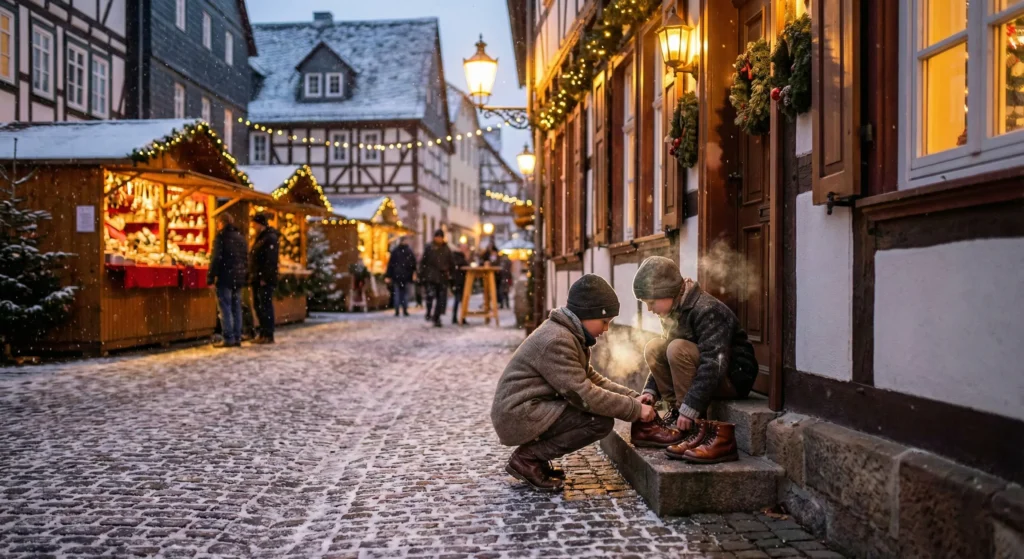
St. Nicholas parades Europe events differ by region but share festive energy. Travelers can see costumed figures, brass bands, horse-drawn arrivals, and lantern-lit processions. Popular cities to watch parades include:
- Bruges, Belgium — medieval streets lit by candlelight
- Cologne, Germany — family-friendly daytime processions
- Prague, Czech Republic — St. Nicholas walking the Old Town Square
- Krakow, Poland — traditional parades featuring nativity scenes
These St. Nicholas Day traditions give travelers a rare look at community storytelling that predates modern Christmas celebrations.
Why St. Nicholas Day Still Matters for European Culture
European Christmas traditions often trace their roots back to St. Nicholas, making this holiday a cultural anchor. For locals, it marks the real beginning of the winter holiday season — long before the commercial festivities peak. For travelers, it’s a chance to immerse in storytelling, local food, historical customs, and winter charm without large tourist crowds.
Many visitors say the week of St. Nicholas feels more authentic than the Christmas period itself. Smaller towns especially maintain rituals that have survived centuries, making them an excellent choice for cultural travel photography or family-friendly trips.
Best Way to Stay Connected When Following Winter Celebrations
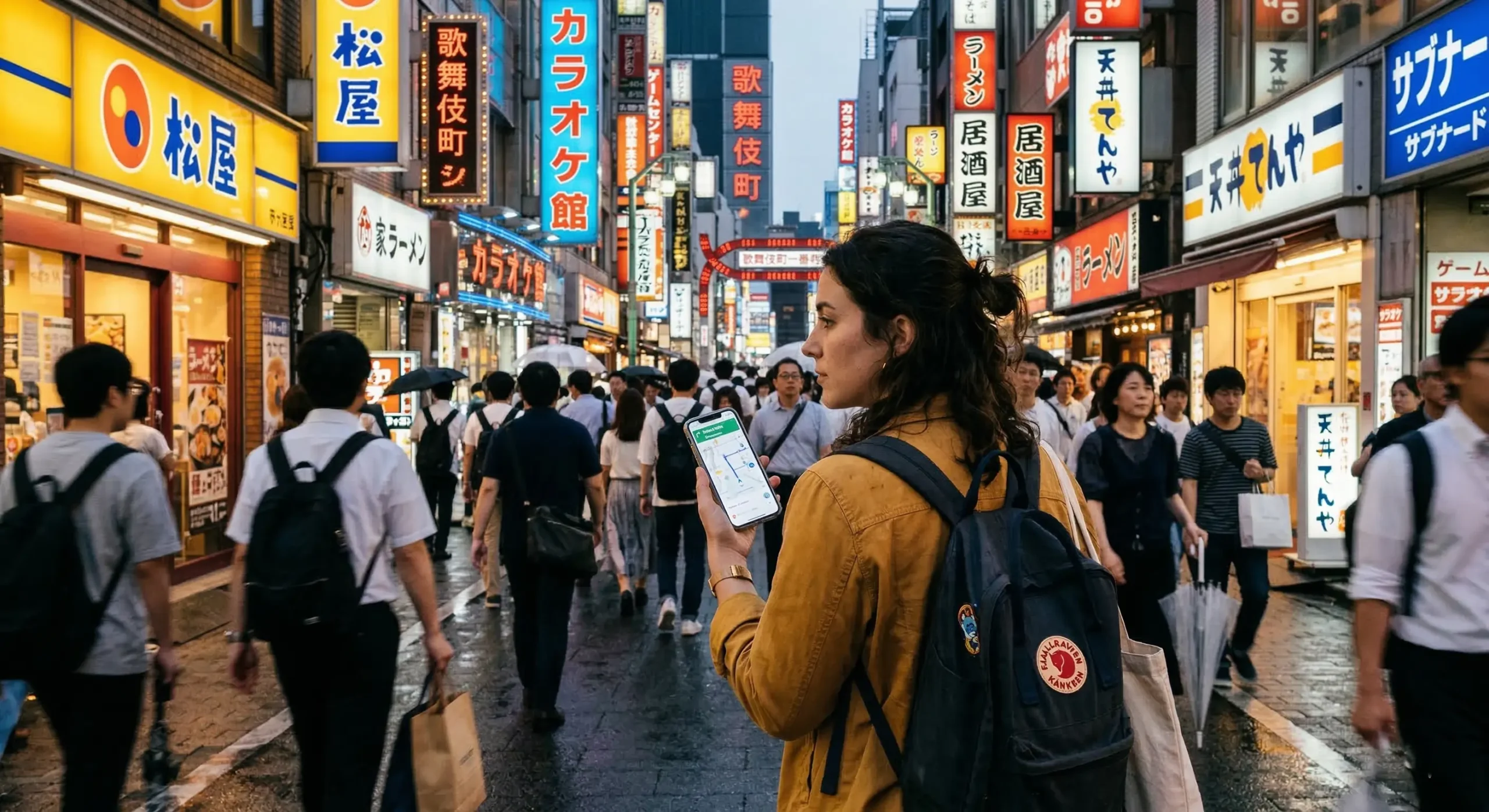
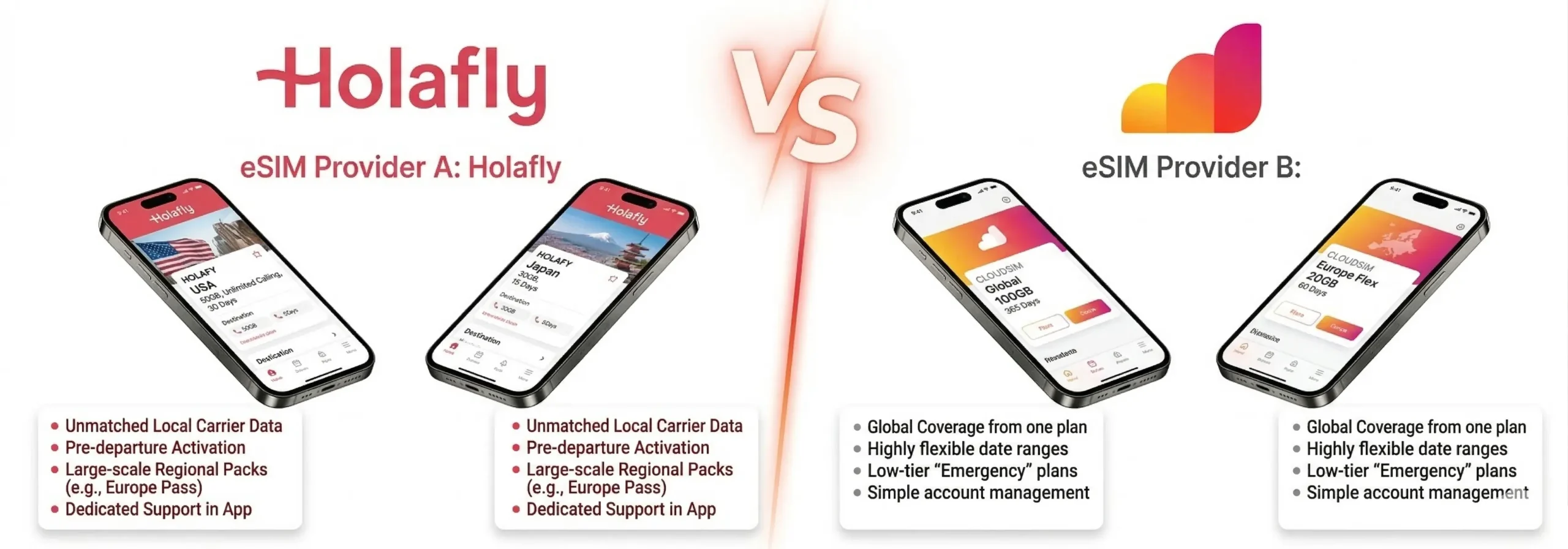
Winter travel across multiple countries can be unpredictable due to weather, transportation delays, and last-minute changes in parade schedules. Using an eSIM Europe for winter travel saves time, keeps you online, and ensures you can access navigation, train timetables, and local event updates.
Travelers planning to visit multiple countries — Germany, the Netherlands, Belgium, Austria, or Switzerland — benefit more from a regional plan than buying individual SIM cards. You can explore top winter destinations uninterrupted. For the best deals and provider comparisons, check our Europe eSIM deals to stay connected during December events.
Final Thoughts
St. Nicholas Day is one of Europe’s most meaningful and beautiful winter traditions. Experiencing it as a traveler gives you a unique cultural perspective, especially during early December when cities and small towns feel warm, festive, and authentically local. If you’re planning a winter visit, prioritizing these celebrations will make your trip richer, more memorable, and filled with stories to take home.
FAQs
1. Is St. Nicholas Day celebrated across all of Europe?
Not everywhere, but it is widely celebrated in Central, Western, and parts of Eastern Europe. Each country customizes it with its own traditions.
2. Are St. Nicholas events free to attend?
Most parades, market activities, and public gatherings are free. Some special performances or boat arrivals may charge a small entry fee.
3. What should I expect on December 6 in Europe?
Expect markets, morning gift traditions, St. Nicholas meet-and-greet events, school performances, and themed treats sold across bakeries.
4. Are shops and attractions open on St. Nicholas Day?
Yes. It is not a full public holiday in most regions, so stores and transport operate normally.
5. Is it safe for solo travelers or families?
Very safe. St. Nicholas Day celebrations are family-centred and held in well-lit public squares or historic districts.






Leave a Reply