
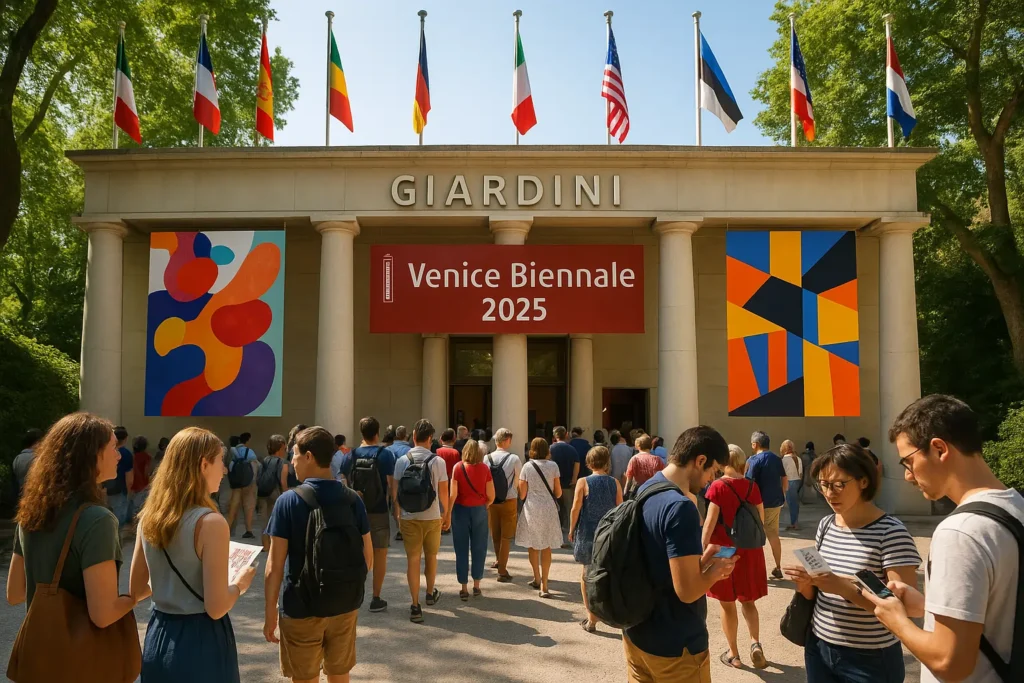
If you’re planning a European cultural trip in 2025, there’s no better destination than the Venice Biennale 2025 — a global celebration of contemporary art and architecture nestled in one of the world’s most enchanting cities. Whether you’re a curious traveler, an art enthusiast, or just want to witness one of the most significant exhibitions in modern culture, this guide will help you plan a smooth, immersive, and unforgettable journey.
Beyond the exhibitions, the backdrop of Venice itself — with its narrow canals, historic palazzos, and slow-paced magic — adds unmatched charm. And to navigate this unique city and stay online effortlessly, a travel eSIM can save you from local SIM hassles, roaming charges, and connectivity issues.
Let’s get you prepared to experience La Biennale di Venezia like a seasoned traveler.
Best Time to Visit Venice During the Biennale
The Venice Biennale 2025 is expected to run from May to November, aligning with its traditional calendar. Spring and early autumn are the best times to visit. Here’s why:
| Month | Highlights | Travel Tips |
|---|---|---|
| May–June | Fewer tourists, pleasant weather | Book early for hotels and flights |
| July–August | Peak crowds, hot temperatures | Carry water, expect queues |
| September–Nov | Cultural events, quieter canals | Pack light layers, enjoy better deals |
If you’re hoping to attend Venice Architecture Biennale specific pavilions, check the official event calendar for specialized dates and forums.
Getting to Venice & Moving Around the City
How to Reach Venice
- By Air: Fly into Venice Marco Polo Airport (VCE), connected by direct flights from major European and intercontinental cities.
- By Train: If you’re traveling from nearby countries, high-speed trains to Santa Lucia Station offer a scenic and efficient option.
Local Transportation Tips
- Vaporetto (Water Bus): The primary way to get around. A 72-hour Vaporetto Pass can save both time and money.
- Walking: Venice is a walking city. Comfortable shoes are essential.
- Connectivity Tip: Google Maps works well offline too, but using it with a local data eSIM offers real-time directions, Vaporetto schedules, and instant translation tools.
Suggested Itinerary Ideas: 3–7 Day Plans
Planning your trip around the Venice Biennale 2025 requires balancing art experiences with Venice’s local life. Here’s how you can do that:
3-Day Art & Culture Focus
- Day 1: Giardini Pavilion (focus on national exhibits), evening at Dorsoduro.
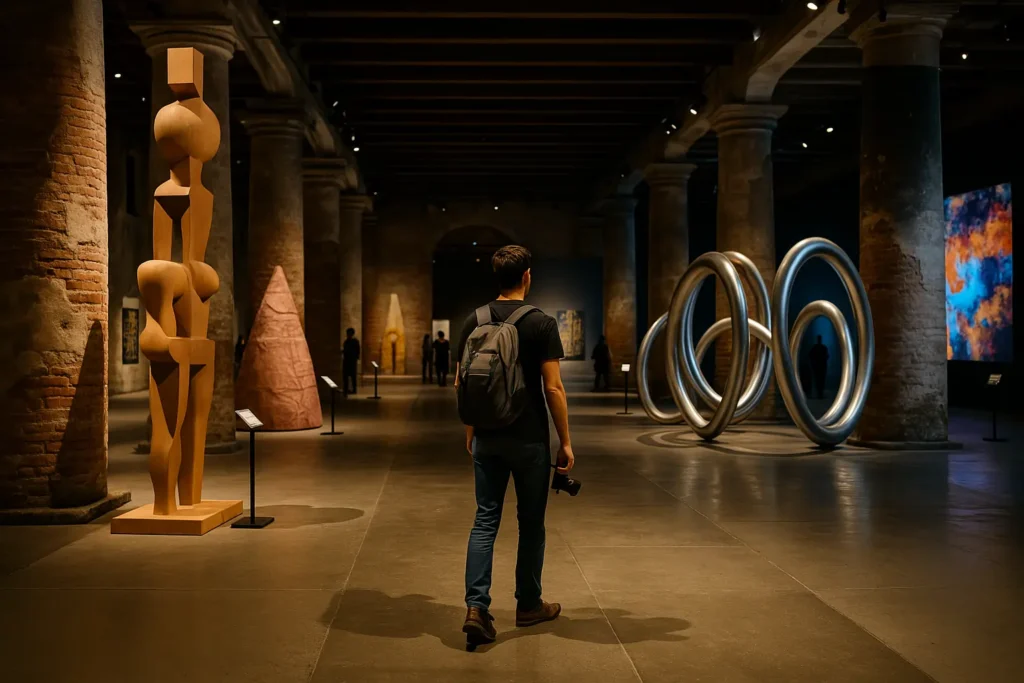
- Day 2: Arsenale site (contemporary installations), sunset gondola ride.
- Day 3: Island hopping (Murano for glass art, Burano for photography).
5–7 Day Extended Immersion
- Day 4: Attend curated Biennale performances or talks.
- Day 5: Day trip to Padua or Verona.
- Day 6: Explore hidden neighborhoods like Cannaregio.
- Day 7: Visit Peggy Guggenheim Collection or catch the Venice Biennial fringe events.
Must-See Venice Biennale 2025 Highlights
Every edition of the Venice Art Biennale unveils emerging and legendary talents. Some things not to miss:
- National Pavilions at Giardini: Countries showcase their top creatives.
- Arsenale Installations: Cutting-edge ideas in a historic shipyard setting.
- Collateral Events: These take place across palaces and public spaces.
While official schedules are still being finalized, it’s worth keeping tabs on the La Biennale di Venezia official site for updates.
Where to Stay Near the Biennale Venues
Venice offers a wide range of accommodation, but during Biennale, rooms fill up fast. Plan smart:
| Area | Ideal For | Pros |
|---|---|---|
| Castello | Walking distance to Giardini | Central, quiet, cultural |
| San Marco | First-time tourists | Historic sights, vibrant |
| Cannaregio | Budget travelers & foodies | Authentic, local, affordable |
Look for stays with free Wi-Fi, or better yet, stay connected independently using a Venice eSIM data plan, especially if you’re managing bookings and directions on the go.
Practical Travel Tips for Venice Biennale
- Tickets: Venice Biennale tickets are usually available online and at venue entrances. Look for multi-day passes if you plan to visit more than once.
- Language: While English is widely understood, learning basic Italian greetings adds warmth to your experience.
- Dining: Avoid tourist menus in San Marco. Instead, try cicchetti bars in Dorsoduro or local trattorias in Cannaregio.
- Cash or Card?: Most places accept cards, but small cafes or boat services may require cash.
- Connectivity with eSIMs:
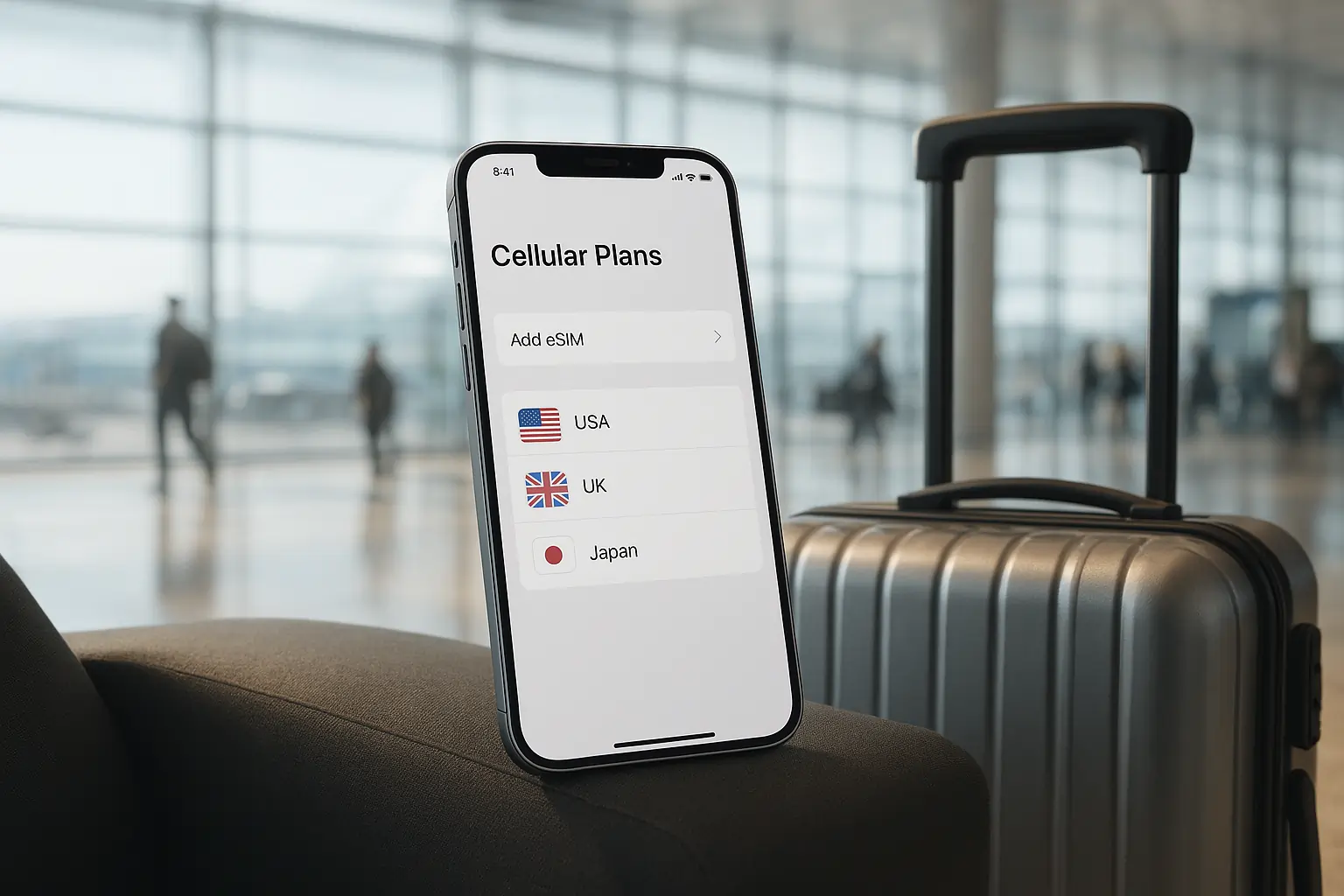
- Pre-load your eSIM before landing in Venice.
- It lets you use navigation, translation, and ticket apps on the move.
- Check our Venice eSIM deals here for budget-friendly options.
Final Thought
The Venice Biennale 2025 offers more than art and architecture — it’s an invitation to explore global creativity in a city unlike any other. From breathtaking installations to spontaneous alleyway discoveries, Venice captivates every step of the way. Stay open to wandering, sip your espresso slowly, and let art reshape the way you see the world.
And remember — staying connected makes every part of the trip easier, from maps to messaging. So before you board that Vaporetto or snap that pavilion selfie, make sure your eSIM is ready to go.
Frequently Asked Questions (FAQs)
1. When is Venice Biennale 2025 taking place?
It’s expected to run from May to November 2025, with opening weeks in early May. For fewer crowds and great weather, visit in June or September.
2. Do I need separate tickets for Giardini and Arsenale?
No — a single-day or multi-day ticket covers both main venues. Some independent exhibitions or fringe events across Venice may require separate entry or be free to access.
3. Can I buy Venice Biennale tickets online?
Yes. Buying online is highly recommended to skip lines and access guided tours or early bird discounts. Digital tickets with QR codes make entry seamless.
4. Is the Biennale suitable for children?
Yes, especially for kids over 7. Giardini has more open space, and some pavilions offer interactive exhibits or workshops. Just avoid peak heat and plan rest breaks.
5. What’s the best way to stay connected in Venice?
Using a travel eSIM is the easiest and most affordable way to access mobile data. It works instantly, avoids roaming fees, and helps with maps, bookings, and translations on the go.








Leave a Reply